Tether Launches HTML5-Based iPhone Tethering Solution
 Tether, the company behind the iTether iOS app that Apple approved and then quickly removed from the App Store, has a new tethering solution. This time, it's HTML5 based and doesn't require downloading anything from the App Store.
"It was clear from our initial application iTether, there was enormous demand within the iPhone ecosystem," says Tim Burke, CEO of Tether. "It was unfortunate that Apple decided to remove our application, only 20 hours after we launched. However, this caused us to innovate. Our underlying patent-pending technology behind Tether for iPhone is unlike anything on the market."
Tether's new version for the iPhone is purely based on HTML5 and creates a completely wireless connection over AdHoc. This circumvents the need of buying the application directly from Apple's App Store and allows any iPhone or iPad with a data connection to allow tethering.
The service costs $30 per year and can be ordered
through Tether's website.
Popular Stories
Apple is about to release iOS 27, which will finally deliver more advanced Siri AI capabilities as well as a variety of other refinements, improvements, and new features to iPhones. It's Apple's biggest software update of the year, and Apple announced at Wednesday's iPhone event that it will be releasing iOS 27 sometime tomorrow – Monday, September 14.
iOS 27 won't be the only release on...
As noted by Nicolas Lellouche, who writes for the French tech website Numerama, Apple has updated its tech specs pages for the iPhone 18 Pro and iPhone 18 Pro Max to clarify which models are equipped with its new C2 cellular modem and where.
Apple now says the iPhone 18 Pro has a C2 modem worldwide, while the iPhone 18 Pro Max uses the chip in every country except for the U.S.
According...
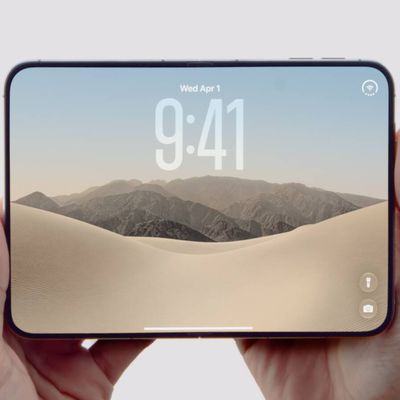
Production theater company IMAX has responded in a mixed way to Apple's embrace of a 1:1.4 aspect ratio on the iPhone Duo's inner and outer displays. The boxier ratio happens to be very close to the classic "full-frame" IMAX 1.43:1 aspect ratio, which comes from the geometry of the company's original 15-perforation/70mm film system.
In response to an X post from someone wondering if we'll see...